1
Choose who starts
Players can decide whether to make the opening move themselves or let the computer begin. That small choice immediately changes the rhythm of the round.





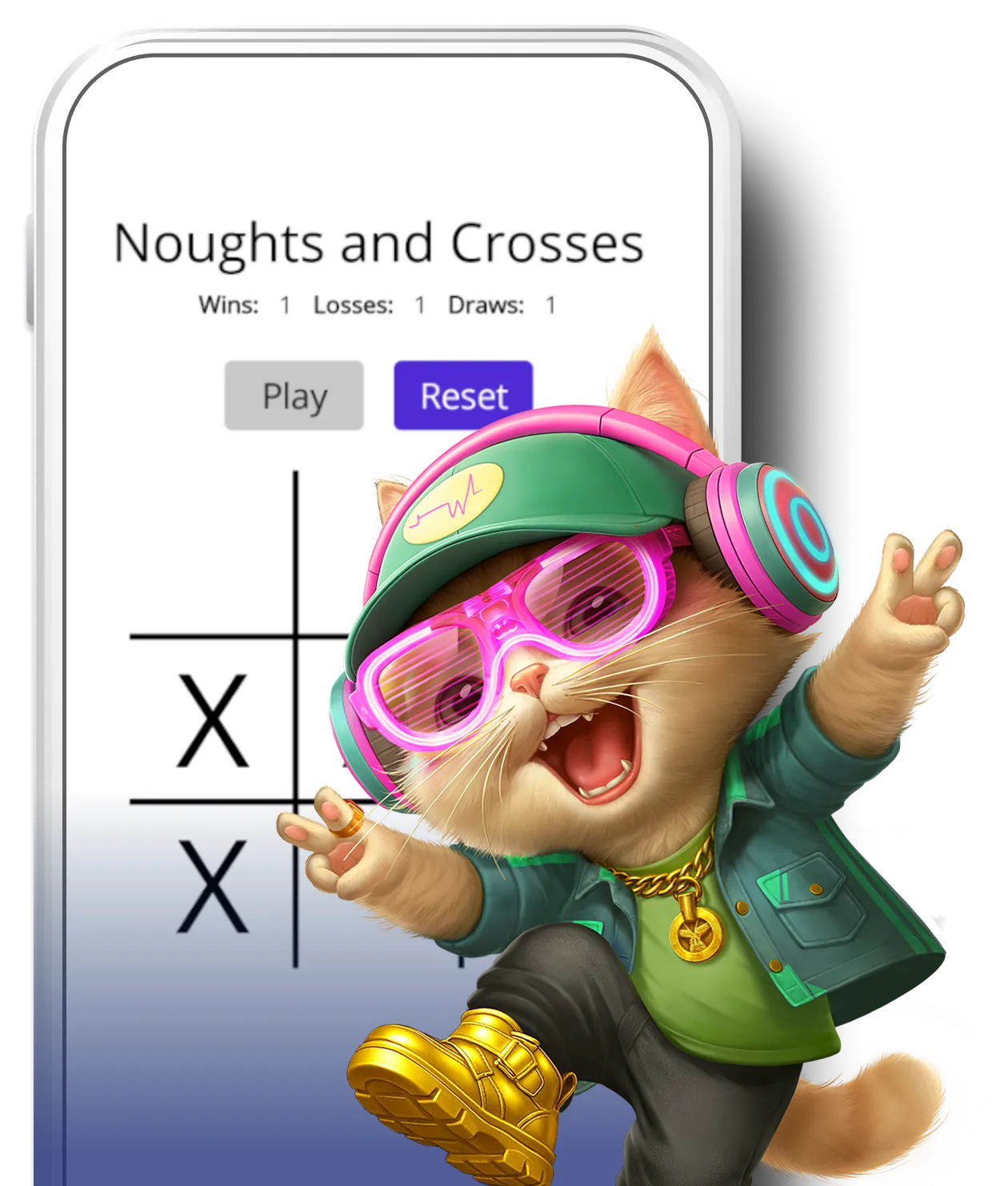
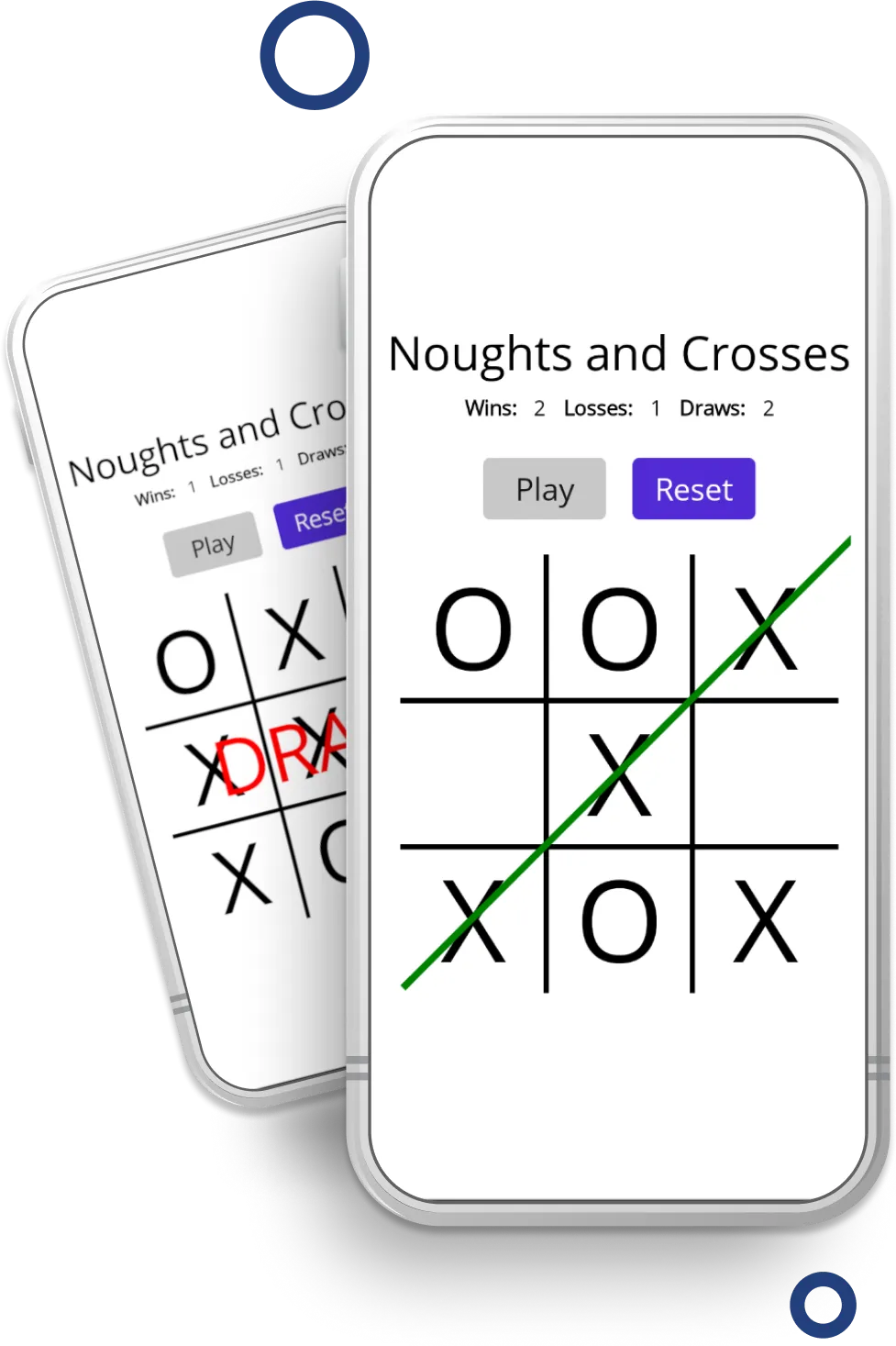
Noughts and Crosses is one of those rare games that almost everyone recognizes instantly. The rules are easy, the board is small, and every move feels obvious until it suddenly is not. It's weird how it tricks you - seems so basic until suddenly you're like 'oh crap, they're about to win' and scrambling to figure out their next move.
We kept it simple - didn't mess with the formula. Pick who goes first, start playing right away, no clutter getting in your way. Great for lunch breaks or when you're waiting around and want to beat the computer at something.
God, I hate games where you spend 20 minutes just trying to understand the rules. Who has time for that? Noughts and Crosses does not ask the player to memorize systems, unlock layers of menus, or push through endless interruptions before the real fun begins. You get a board, you know what to do, and boom - it's all about your next move. That's why this game never gets old. A single match can be light and casual, but it can also become surprisingly tense when both sides are watching the same lines, trying to force one mistake. The page should feel the same way - nothing flashy, just that little competitive spark we all know.
Easy to start, always satisfying to replay
Players can decide whether to make the opening move themselves or let the computer begin. That small choice immediately changes the rhythm of the round.
Each turn adds a nought or a cross to the board. You know exactly what you're trying to do from the start.
Every move has two sides to it: setting up your own line while breaking the opponent's plan. Even on a small board, the balance matters.
You win by spotting patterns, getting your timing right, and paying attention. Horizontal, vertical, or diagonal — all that matters is seeing the line before it closes.
Wins, losses, and draws are tracked, giving each short session a little more shape and a reason to play one more round.
 What makes this version worth playing
Choose who plays first
This adds a useful layer of control to
each
session. Starting first feels different from reacting, and the game lets players explore
both sides of that balance.
Sleek and simple design
We're going for a clean, modern look
that
doesn't feel cluttered. It supports fast matches and keeps the player's attention on the
board instead of on interface clutter.
Classic rules
The game stays loyal to the version people already
know and trust. That familiarity is part of its strength.
Quick match flow
Rounds begin quickly and finish quickly, which
makes the game easy to revisit throughout the day. It works naturally in short sessions
without feeling shallow.
Session tracking
The ability to see wins, losses, and draws adds
just enough structure to keep repeated matches engaging. Even a simple record creates a
sense of progression.
It's just regular tic-tac-toe, but we made it look nice on your screen. Players take turns placing marks on a grid while trying to complete a line before the opponent does. Easy to understand, but you still gotta think about what you're doing.
Yes, the rules are immediately understandable, which makes it one of the easiest strategy games to begin playing. At the same time, the game stays interesting because success depends on timing, anticipation, and avoiding small mistakes. So it's easy to pick up but doesn't feel dumbed down.
Yes, one of the features of this version is the ability to decide whether you or the computer starts the round. It mixes things up a bit so you're not playing the exact same game over and over. It also lets players experiment with different tactical openings.
Yes, the game tracks wins, losses, and draws during each session. That gives structure to short play periods and makes it easy to compare how different rounds go over time. Even a simple score record can make the game more engaging.
Very much so. Noughts and Crosses is naturally built for quick matches, which makes it ideal for short breaks or brief moments of focused play. You can finish a round quickly and still feel like you made meaningful decisions.
Look, we're not reinventing the wheel here. It's just regular tic-tac-toe without all the annoying bells and whistles that usually come with these things. Sometimes the old ways are the best ways, right?